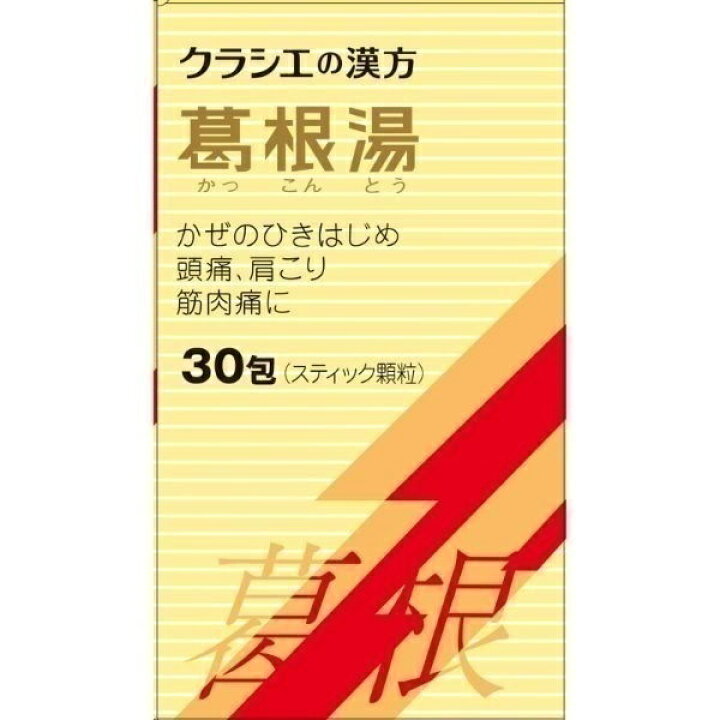
>Kakkonto (Kampo #1, “葛根湯”)—Is It Safe in Pregnancy & Breastfeeding? What Symptoms It Fits and How to Use | Pharmacist Guide
Kakkonto (Kampo #1, “葛根湯”)—Safe in Pregnancy & Breastfeeding? What Symptoms It Fits and How to Use
① When it fits② Safety for pregnancy & breastfeeding③ How to take it well
- When does Kakkonto fit? (Fit vs. mismatch)
- Safety in pregnancy and breastfeeding
- How to take it (timing & tips)
- Who should avoid or seek advice first
- Drug interactions (watch for overlaps)
- Possible side effects
- What’s inside & official indications (medical label summary)
- FAQs (easy to skim)
- Take-home (👩⚕️ Pharmacist notes)
When does Kakkonto fit? (Fit vs. mismatch)
✅ Signs it often fits
- Chills with little or no sweating yet
- Neck/shoulder stiffness (upper back/“nape” tightness)
- Very early upper-respiratory symptoms: mild fever, headache, runny/stuffy nose
- Very early inflammation (e.g., conjunctivitis/otitis/tonsillitis or early mastitis discomfort)
⛳ Situations it may not fit well
- After profuse sweating has started or if dehydrated
- High fever with severe throat pain (think strep, influenza, etc.)
- Prolonged cough with phlegm or wheezy/asthmatic symptoms
- Pregnancy-related hypertension, strong palpitations/insomnia tendency (see safety notes)
Kampo works best when the “pattern” matches. If there’s little change in 2–3 days, re-evaluate.
Safety in pregnancy and breastfeeding
During pregnancy
- In labels, safety is not fully established; use only when the benefit outweighs risk, and for a short duration.
- Because it contains Ephedra (Ma-huang) and Licorice, avoid or seek advice first if you have hypertension, heart disease, or hyperthyroidism.
- See a clinician if: fever ≥ 38.5 °C (101.3 °F), severe throat pain/pus, shortness of breath, abdominal pain/bleeding, or no improvement in 3+ days.
While breastfeeding
- Usually considered only for short, minimal courses if truly needed.
- Milk supply: Ephedra-like components may temporarily reduce milk production in some people. If supply dips—or baby seems unusually fussy or wakeful—stop and seek advice.
- When you do take it, a practical tip is to dose right after a feed to allow some time before the next session.
How to take it (timing & tips)
Basic use (adult reference)
- Typical total daily amount ≈ 7.5 g extract in 2–3 divided doses, often before meals or between meals.
- Start early—as soon as chills and shoulder/neck tightness appear.
- Reassess in 2–3 days: if it’s not helping, switch strategy.
Pregnancy & lactation tips
- Use the lowest effective amount for a short time only.
- Hydrate and keep warm (especially neck/shoulders). Rest matters as much as the medicine.
- Space from other meds and check for overlaps (see interactions).
Who should avoid or seek advice first
| Situation | Why / notes |
|---|---|
| Significant hypertension, heart disease, strong palpitations, hyperthyroidism | Ephedra can stimulate the sympathetic system and worsen symptoms. |
| Tendency to edema or low potassium; past “pseudo-aldosteronism” | Licorice can lead to fluid retention, ↑BP, ↓K in susceptible people. |
| Urinary retention, severe kidney issues | May aggravate symptoms. |
| Heavy sweating / dehydration | Pattern mismatch—support with fluids/rest instead. |
| No improvement in 3 days or sudden worsening | Consider influenza, strep, pneumonia, or other conditions. |
Drug interactions (watch for overlaps)
- Other Ephedra-containing Kampo or decongestants (ephedrine/pseudoephedrine): may increase palpitations, insomnia, sweating.
- Licorice (glycyrrhizin) in other products: raises risk of pseudo-aldosteronism (edema, ↑BP, ↓K, weakness).
- MAO inhibitors, thyroid hormones, xanthines, or other stimulants: additive sympathetic effects.
Many cold combos and “energy” tonics hide Ephedra or Licorice—check ingredient lists to avoid duplication.
Possible side effects
Common-ish
- Upset stomach, nausea, reduced appetite
- Palpitations, insomnia, sweating, dry mouth
- Rash or itching—stop and seek advice if this appears
Rare but important
- Pseudo-aldosteronism from Licorice (edema, weight gain, ↑BP, muscle weakness)
- Liver issues/jaundice (fatigue, dark urine, yellowing of the eyes)—seek care promptly
What’s inside & official indications (medical label summary)
Constituent herbs (7): Kudzu root (葛根), Ephedra (麻黄), Cinnamon bark (桂皮), Peony root (芍薬), Licorice (甘草), Ginger (生姜), Jujube (大棗).
Indications: Early-stage colds with no sweating plus headache/fever/chills/shoulder stiffness; early inflammatory conditions (conjunctivitis, keratitis, otitis media, tonsillitis, early mastitis), shoulder stiffness, neuralgia of the upper body, and hives—most suitable for people with relatively robust constitution.
Adult dosing reference: About 7.5 g extract/day split 2–3 times, before or between meals (adjust by body size and symptoms).
FAQs (easy to skim)
Q. Is it okay in the first trimester?
Labels treat pregnancy as not fully established for safety. If used, keep it short and minimal. If you have hypertension, palpitations, or hyperthyroidism, avoid or get medical advice. Consider supportive care (rest, warmth, fluids, saline gargles) and simple analgesics like acetaminophen when appropriate.
Q. I’m breastfeeding and my milk supply feels lower. What do I do?
Ephedra-like components can temporarily reduce milk production for some. If supply dips—or baby seems unusually fussy or wakeful—stop, hydrate, rest, and try more frequent feeds. Contact your clinician or lactation consultant if needed.
Q. Does Kakkonto help with mastitis?
“Early mastitis discomfort” appears among labeled uses. It’s sometimes used at the very early, non-severe stage. If you have high fever, chills, or marked redness, seek care—an antibiotic or other treatment may be required.
Q. Can I take it together with a multi-ingredient cold remedy?
Best to avoid combining. Many cold combos include decongestants (pseudoephedrine) or Licorice—overlap raises risks like palpitations, insomnia, and edema. Check labels or ask a pharmacist.
Q. How long should I continue, and when do I stop?
Reassess at 2–3 days. Kakkonto is for the very beginning—start early, stop early. If it isn’t helping, change course rather than continuing.
Q. I started sweating after warming up. Should I keep taking it?
Kakkonto works best before sweating begins. Once you’re sweating well, switch to fluids, warmth, and rest instead of pushing more Kakkonto.
Q. Any timing tip while breastfeeding?
When needed, dose right after a feed so there’s a longer interval before the next one. Monitor your milk supply and your baby’s behavior.
Take-home (👩⚕️ Pharmacist notes)
- Best fit: early cold with chills, no sweat, neck/shoulder stiffness; early inflammatory discomfort (incl. early mastitis).
- Pregnancy: use only if benefit > risk; keep it short and minimal; avoid with hypertension/palpitations/hyperthyroidism.
- Breastfeeding: short courses only; watch for milk-supply dip and baby’s sleep/behavior.
- Avoid overlaps: Ephedra or Licorice from other products and decongestants.
- Stop/seek care: no improvement in 2–3 days, high fever, severe sore throat, or rapid worsening.
This page is general information. What’s best can change with gestational age, breastfeeding pattern, health conditions, and other medicines. If you’d like tailored advice, tell me your symptoms, current meds, and pregnancy week (or postpartum days)—👩⚕️ I’ll help you choose safely.
コメント